Key Takeaways
- Dutch Passion, founded in Amsterdam in 1987, pioneered feminized cannabis seeds and remains a cornerstone of modern strain genetics
- Many premium THCA flower strains trace their lineage back to Dutch Passion cultivars, even when sold under different names
- Understanding seed genetics helps experienced buyers identify why certain flower consistently delivers quality
- Photoperiod stability from established breeders translates to more consistent cannabinoid profiles in finished flower
- When shopping for California THCA flower, recognizing genetic lineage can predict effects better than marketing claims alone
I’ve been watching the THCA flower market evolve for years now, and one thing keeps standing out: the strains that consistently move, the ones buyers come back for again and again, often share something in common upstream. When you trace the genetics back far enough, you keep hitting the same handful of seed banks. Dutch Passion is one of the names that appears over and over. Understanding why matters if you care about what you’re actually smoking.
What Makes Dutch Passion a Foundational Seed Bank?
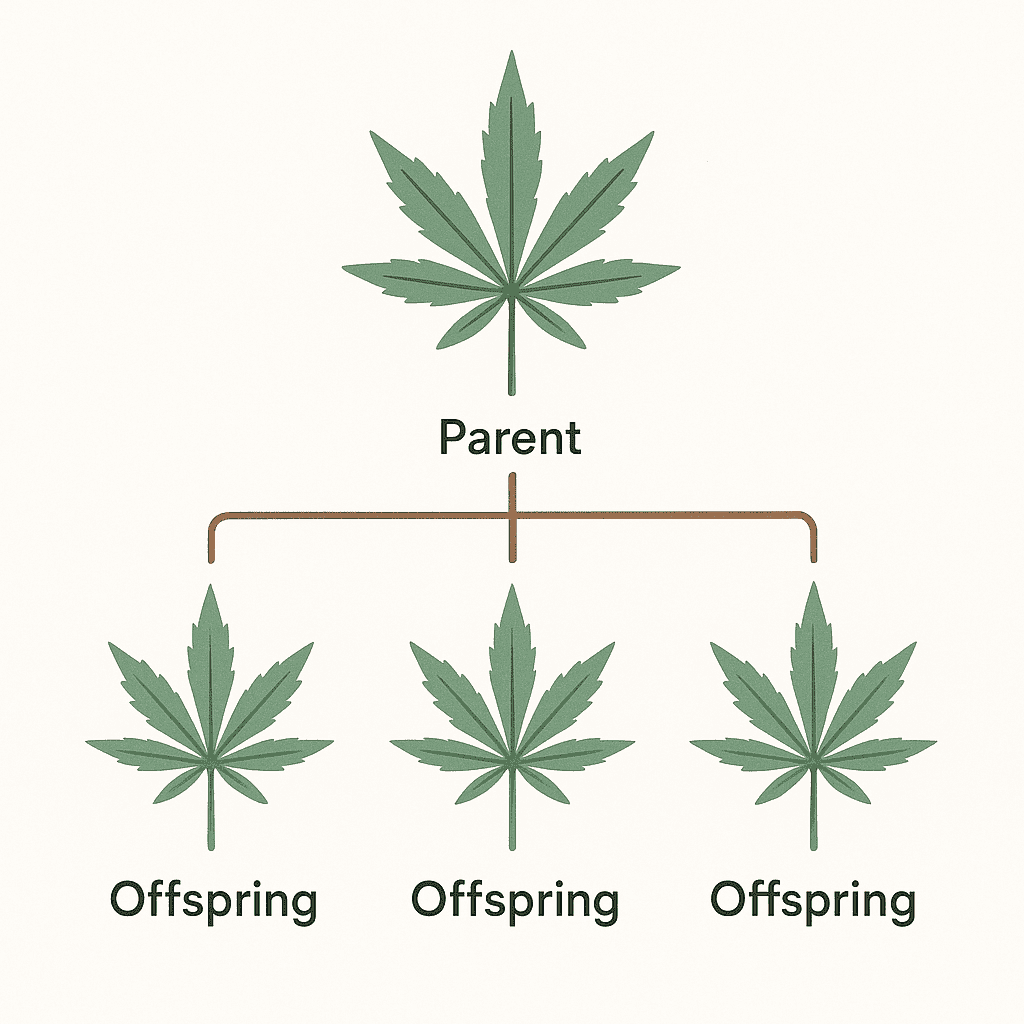
Dutch Passion helped establish the modern cannabis seed industry from Amsterdam, pioneering feminized seed technology in the 1990s and building genetic libraries that countless breeders have since crossed into their own lines. Their work on photoperiod stability gave cultivators predictable flowering times and consistent cannabinoid expression—foundational qualities that commercial growers still rely on today.
The seed bank launched in 1987, which gives them nearly four decades of breeding documentation. That’s significant because cannabis genetics require generational refinement. A strain that performs well once doesn’t mean much; a strain that performs consistently across hundreds of cultivation cycles demonstrates genuine stability. Dutch Passion’s catalog includes classics like Blueberry, Orange Bud, and Power Plant—cultivars that have been crossed into countless modern hybrids now appearing in dispensaries and legal hemp flower delivery programs across the country.
What you’re buying when you purchase premium THCA flower often contains genetic material that traces back to these stabilized lines. Even if the strain name sounds completely different, the underlying architecture—terpene profiles, growth characteristics, cannabinoid ratios—reflects decades of Dutch breeding work.
Why Do Dutch Passion Genetics Keep Appearing in THCA Flower?
Commercial cultivators prioritize predictability because inconsistent genetics mean inconsistent product, lost harvests, and unhappy buyers. Dutch Passion genetics earned their reputation by delivering what growers need: reliable germination rates, stable flowering windows, and reproducible cannabinoid profiles that test consistently across batches.
When California cultivators source genetics for indoor THCA flower production, they’re often working with crosses that include Dutch Passion heritage. The Blueberry lineage alone has been bred into hundreds of modern strains—any time you see “blue” in a strain name, there’s a reasonable chance Dutch genetics are somewhere in the family tree. Orange Bud contributed citrus terpene profiles that now appear across countless sativa-leaning hybrids.
This isn’t about brand loyalty; it’s about what works at scale. A cultivator running 500-light indoor facilities needs genetics that perform identically in position 1 and position 500. They need plants that finish in the same window, stretch the same amount, and produce similar cannabinoid concentrations across every phenotype. Established seed banks with decades of stabilization work offer that reliability where newer, hype-driven genetics often don’t.
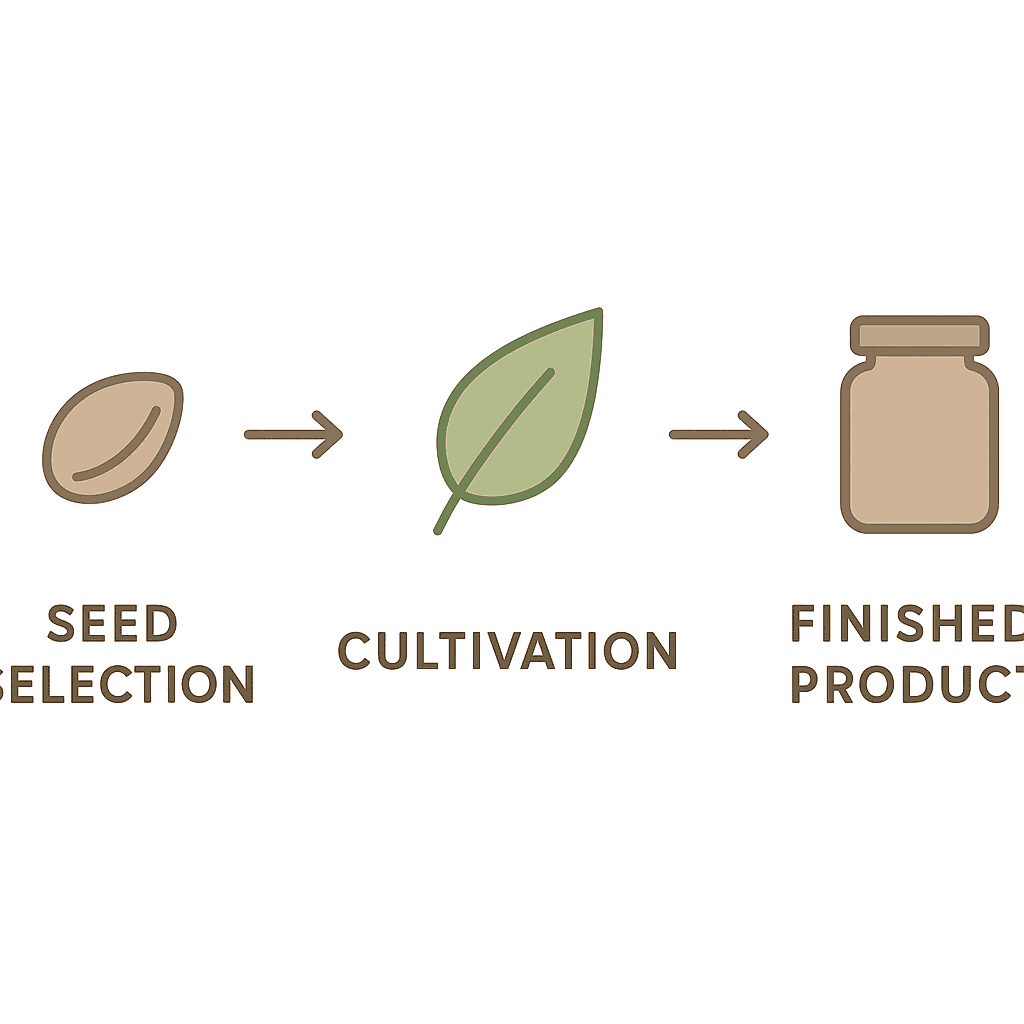
For buyers shopping for premium THCA flower strains, this upstream story matters. The flower hitting your door started as a seed, and that seed’s genetic stability directly affects whether you’re getting a consistent experience or a lottery ticket.
How to Recognize Dutch Passion Lineage in Finished Flower
You won’t always see “Dutch Passion” on a product label—cultivators typically list strain names, not seed bank origins. But experienced buyers can identify genetic lineage through strain names, terpene profiles, and effect patterns that trace back to documented parent cultivars.
The Blueberry lineage is easiest to spot. Any strain with “blue” in the name—Blue Dream, Blue Pave, Blueberry Muffin—likely contains Dutch Passion Blueberry genetics somewhere in the cross. The signature berry terpenes and indica-leaning body effects remain recognizable across generations of breeding. If you’ve enjoyed Pavé strain or similar minty-gas crosses, you’re often seeing modern genetics built on foundational lines that include Dutch breeding work.
Orange and citrus-forward strains often trace back to Orange Bud, another Dutch Passion classic. The distinctive orange-peel terpene profile and clear-headed sativa effects remain consistent markers even in strains that have been crossed multiple generations away from the original.
Power Plant genetics appear in many high-yielding commercial strains, recognizable by their African sativa heritage and energetic effect profiles. When you see flower described as “productive” or “uplifting” with earthy-sweet undertones, Power Plant lineage is worth considering.
What Genetic Stability Means for Your THCA Experience
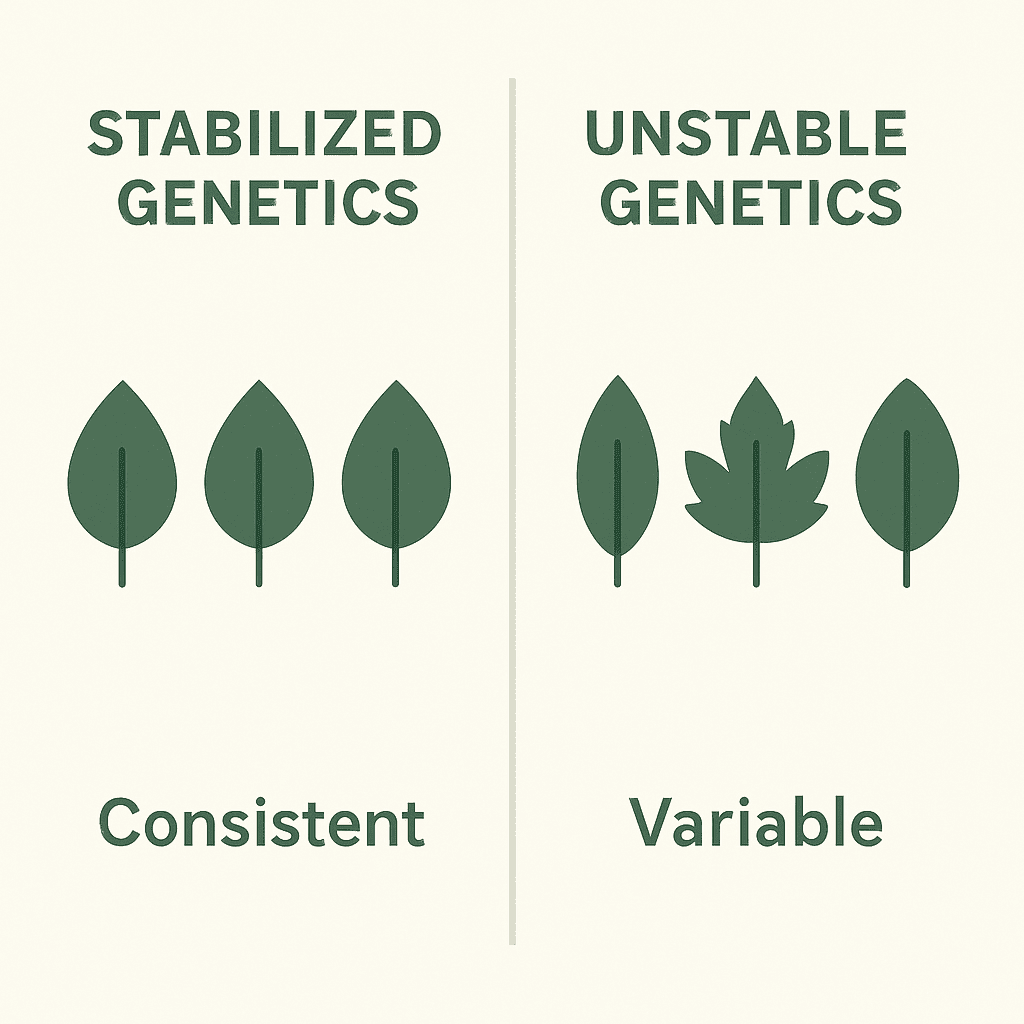
Genetic stability directly affects what you experience when you smoke or vape THCA flower. Stable genetics produce consistent cannabinoid ratios, meaning the THCA percentage listed on your COA actually reflects what you’re getting. Unstable genetics can swing wildly between phenotypes—one plant might test at 25% THCA while its sibling from the same seed batch tests at 18%.
Terpene consistency matters just as much. The entourage effect—how cannabinoids and terpenes work together—depends on reproducible terpene profiles. A strain that delivers relaxing effects one time and anxious energy the next isn’t necessarily mislabeled; it might just come from unstable genetics where different phenotypes express completely different terpene ratios.
When you find a strain that works for you, genetic stability is what lets you buy it again and have the same experience. This is why experienced buyers pay attention to cultivators who source from established breeders rather than chasing whatever’s trending on social media. The safety and consistency of your experience depends partly on decisions made at the seed level.
Beyond Dutch Passion: Other Foundational Genetics
Dutch Passion isn’t the only seed bank whose genetics appear throughout the premium THCA flower market. Sensi Seeds, another Amsterdam institution, contributed Northern Lights and Skunk #1 genetics that remain foundational across indica and hybrid lines. Serious Seeds developed AK-47, which has been crossed into countless high-potency modern strains.
In the American market, breeders like Compound Genetics and Seed Junky have built on these European foundations, creating the modern dessert strains and gas crosses dominating current menus. But trace many of these back far enough and you’ll find Dutch, Spanish, or British seed bank genetics providing the stable base that made further breeding possible.
Understanding this history helps you make sense of why certain strains consistently deliver. It’s not magic; it’s genetics. The cultivars that have been worked for decades by professional breeders simply perform more predictably than lines rushed to market to capitalize on a name trend.
What to Look for When Buying THCA Flower
Knowing genetic lineage gives you useful buying signals, but you’ll rarely see seed bank information on consumer packaging. Instead, look for these indicators that suggest stable, well-bred genetics:
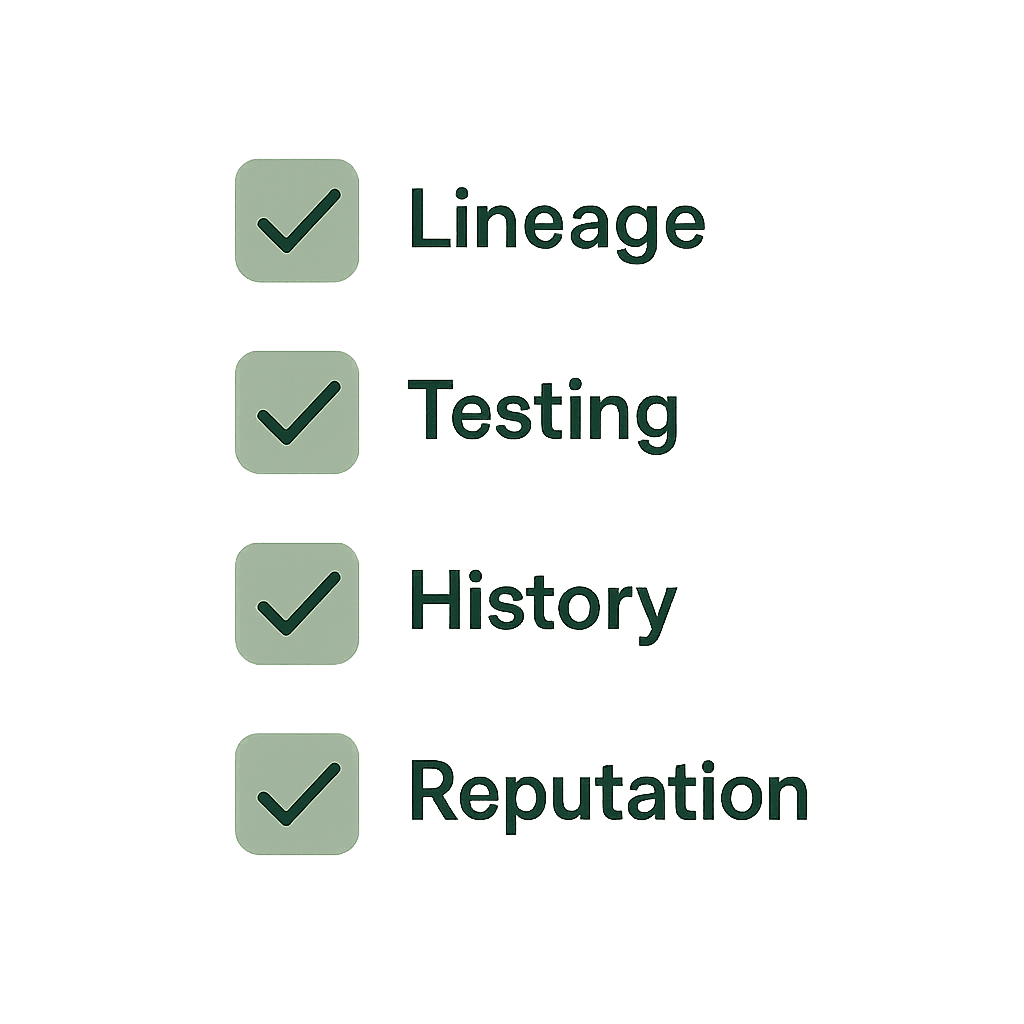
- Documented strain lineage: Cultivators who list parent strains (e.g., “Gelato 41 x Wedding Cake”) signal transparency about their genetics
- Consistent COA results: Ask about batch-to-batch testing variation; stable genetics produce similar numbers across harvests
- Established strain names: While new names generate hype, strains with years of documented cultivation history offer more predictable experiences
- Cultivator reputation: Growers who discuss their genetic sourcing demonstrate commitment to quality beyond marketing
Ready to shop flower from cultivators who prioritize genetic quality? Explore Curated Strains from sources that understand why upstream decisions matter.
Frequently Asked Questions
Are Dutch Passion seeds available in the United States?
Dutch Passion seeds ship internationally, though U.S. legal status varies by state. For most consumers, the relevant question isn’t buying seeds directly but understanding that finished flower products often contain Dutch Passion genetics several generations removed from the original cultivar. The seed bank’s influence appears in countless strains now grown domestically.
How do I know if my THCA flower contains Dutch Passion genetics?
Look for strain lineage information, particularly strains containing “blue,” “orange,” or crosses with documented Blueberry, Orange Bud, or Power Plant heritage. Many dispensary and hemp flower products don’t list seed bank origins, but genetic research databases like SeedFinder can help trace strain family trees when parent names are provided.
Does genetic lineage affect THCA potency?
Genetic stability affects how consistently a strain expresses its cannabinoid potential across cultivation batches. Well-stabilized genetics from established breeders tend to produce more predictable THCA percentages, while newer or unstable lines may vary significantly between harvests. The genetics set the ceiling; cultivation execution determines how close to that ceiling each batch reaches.
Why do experienced buyers care about seed bank genetics?
Understanding upstream genetics helps predict whether a strain will deliver consistent effects when repurchased. Strains built on decades of breeding work behave more predictably than hype-driven lines rushed to market. For buyers who find something that works, genetic stability means that experience is reproducible rather than a one-time occurrence.
What’s the difference between feminized and regular seeds?
Feminized seeds produce exclusively female plants, eliminating the need to identify and remove males during cultivation. Dutch Passion pioneered this technology in the 1990s. For commercial THCA flower production, feminized genetics streamlined cultivation by ensuring every plant would produce smokable flower rather than pollen-producing males.
Can I buy THCA flower online without a medical card?
Yes—Farm Bill compliant THCA flower ships legally to most states without requiring a medical card. The key is purchasing from vendors who provide third-party lab testing confirming legal compliance. Discreet cannabis delivery to your door is available for adult buyers seeking premium THCA flower strains without dispensary visits.
Cannabis products are intended for use only by adults 21 years of age or older (or 18+ for medical patients in applicable states). Keep out of reach of children and pets.
These statements have not been evaluated by the Food and Drug Administration. Cannabis products are not intended to diagnose, treat, cure, or prevent any disease. Consult with a licensed healthcare provider before using cannabis, especially if you are pregnant, nursing, have a medical condition, or take prescription medications.
Do not operate a vehicle or heavy machinery while under the influence of cannabis. Cannabis use may impair your ability to drive, work, or perform other tasks requiring alertness and coordination.
This content is for informational and educational purposes only and should not be construed as medical, legal, or professional advice. Individual results may vary, and the effects of cannabis differ from person to person.
About the Author
Nick Delesandro — Cannabis Breeder, Grower & Seed Bank Founder · 20+ years experience
Nick Delesandro is a cannabis breeder, cultivator, and founder with over 20 years of hands-on experience in cannabis genetics. He has evaluated more than 2,000 cultivars, collaborated with over 350 leading breeders, and contributed to the development of hundreds of plant varieties.