People often ask: Is THCA safe to use? Though it’s non‑psychoactive in its raw form, THCA becomes Delta‑9 THC when heated. So, it’s important to understand the risks and the science behind THCA safety. This guide walks you through current research, usage tips, and important considerations for both new and experienced users.

What Current Research Tells Us About THCA
To date, scientific studies on THCA are limited. However, early research suggests that THCA may offer benefits without the same risks as Delta‑9 THC. For instance, research indicates potential anti-inflammatory, neuroprotective, and anti-nausea effects. Some lab-based studies show that THCA might protect neurons in cases of neurological disorders.
Still, no large-scale human studies have confirmed these effects. Therefore, until more data emerges, it’s smart to use THCA with care and awareness.
Is Raw THCA Non‑Psychoactive?
Yes—in its unheated form, THCA is non‑psychoactive. Many users juice raw cannabis or eat raw flower to avoid intoxication. But when THCA is heated—whether smoked or vaped—it decarboxylates into Delta‑9 THC. Thus, the psychoactive potential remains and should be approached cautiously.
Toxicity and Side Effects: What to Watch For
Though rare, users may experience common side effects when vaping or smoking THCA flower, including:
- Dry mouth
- Red eyes
- Mild anxiety or paranoia (mostly at higher doses)
- Drowsiness or sedation
Critically, no serious toxicity cases have been linked to THCA. Nonetheless, long-term health data is lacking. Potential risks include:
- Exposure to pesticides, mold, or heavy metals from poorly tested flower
- Respiratory irritation from smoking
To reduce risk:
- Use lab-tested THCA flower only
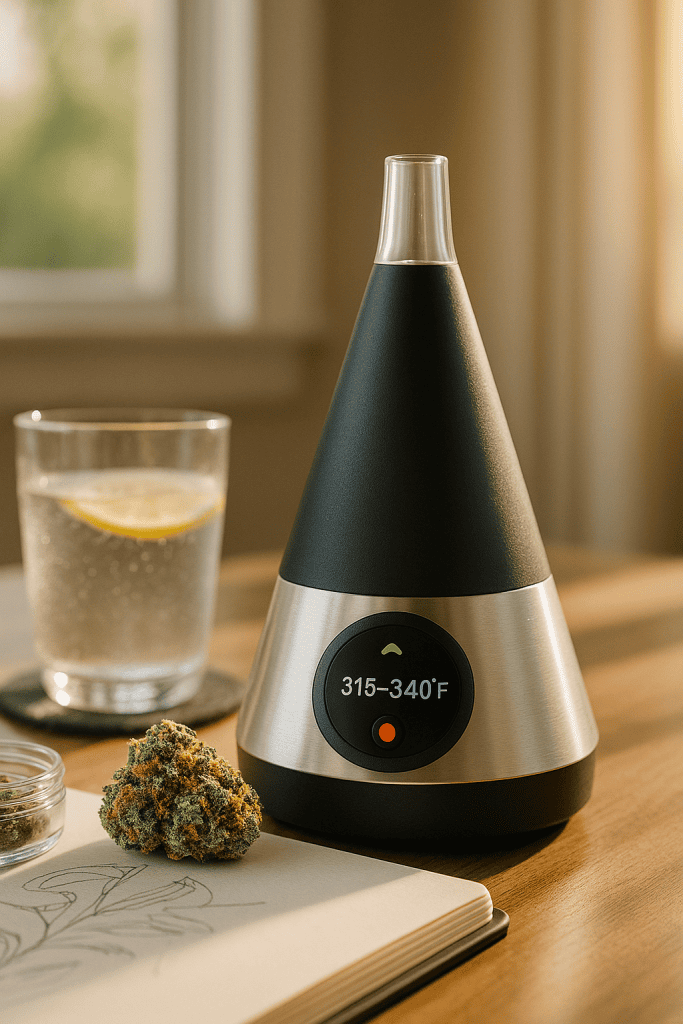
- Avoid combustion—vaping at low temp is gentler
- Source from trusted brands with COAs and clean cultivation
THCA Use Guidelines for Safety
To stay safe with THCA:
- Always check the Certificate of Analysis (COA) for Delta‑9 THC content and contaminant screening.
- Start with small doses—especially if you’re new or using a high-THCA strain.
- Vaping at lower heat preserves terpenes and limits smoke harshness.
- Store flower in cool, dark places to prevent degradation.
- Avoid combining THCA with other CNS depressants like alcohol or sedatives.
By following these tips, you reduce risk while benefiting from THCA flower’s effects.

Benefits and Research-Backed Outcomes
Although research is preliminary, THCA flower may offer:
- Relief from inflammation and pain
- Reduced nausea or digestive discomfort
- Mild calming or mood-stabilizing effects (when converted)
These potential benefits, combined with careful usage, make THCA an intriguing option for people seeking legal cannabis that’s less intense than Delta‑9 THC.
Why PackTrapper Takes Safety Seriously
At PackTrapper, safety is our top priority. That means:
- Every strain is lab-tested by DEA-registered or certified labs
- COAs are available online and within product packaging
- Indoor cultivation under strict environmental controls limits contamination risk
- Flower is vacuum-sealed and date-stamped for freshness
We provide verified, high‑quality THCA flower that meets THCA safety and compliance standards—ensuring you can enjoy peace of mind with every use.
Looking for Clones? Visit www.kingkongclones.com
Need Mushrooms? Browse www.mycological.co
Shopping Bulk Flower? Source direct at www.trapgods.io
Breeder Seeds? Check out www.neptuneseedbank.com

External Resources
FAQs
Is THCA completely safe to use?
Generally yes, when used properly. But its long-term effects are not fully known.
Can raw THCA get you high?
No. Only when heated does THCA convert to Delta‑9 THC with psychoactive effects.
Are there any serious side effects linked to THCA?
Not with tested, clean products. Minor effects may include dry mouth or mild anxiety.
How do I ensure the THCA I buy is safe?
Always choose products with a recent, full-panel COA showing low Delta‑9 and no contaminants.